We've raised $6.5M to build the future of dentistry — Join the movement!
Blog Posts
Insights and perspectives on intelligence, integration, and trust in dentistry.
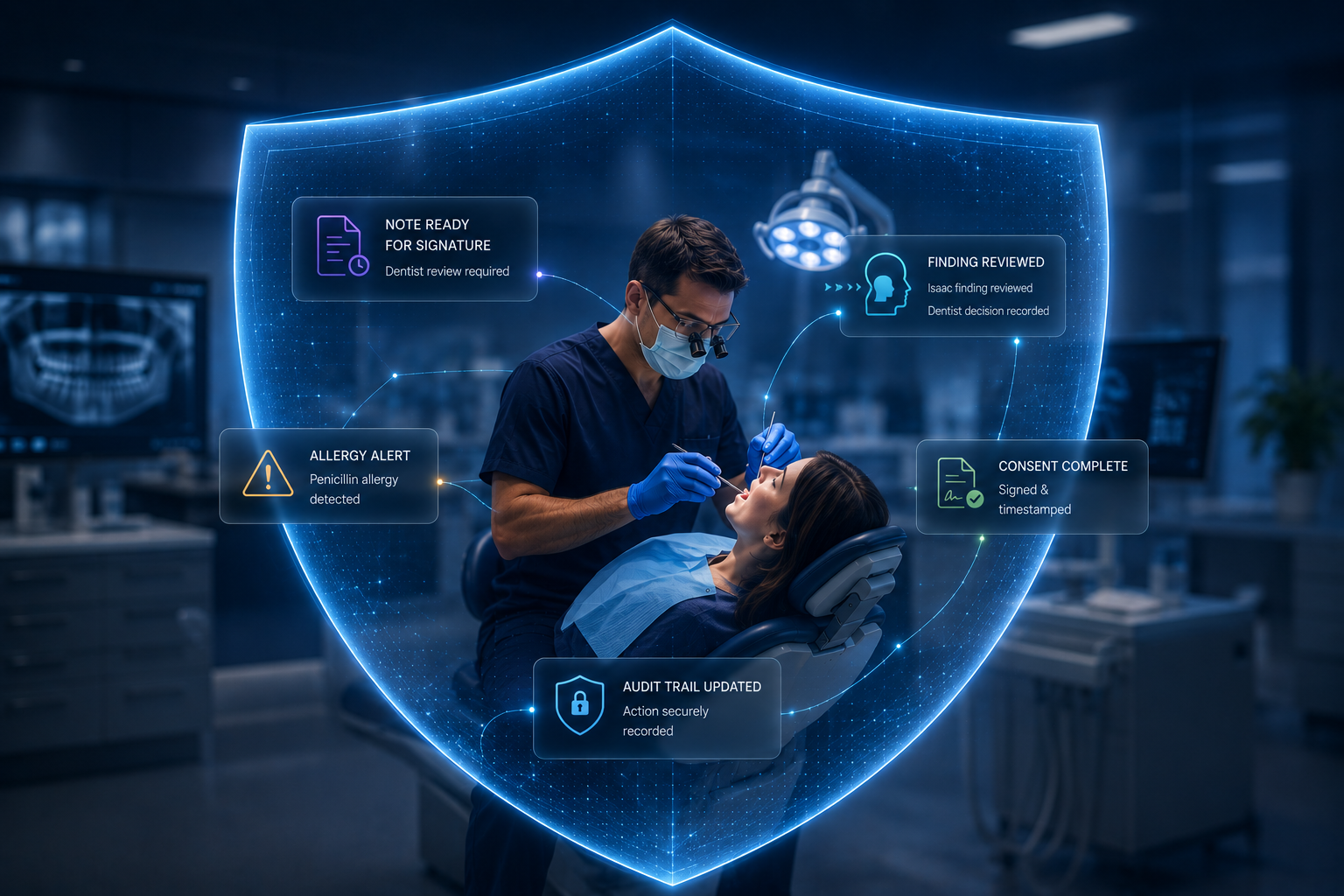
Malpractice Prevention Should Be Designed Into the Practice
Malpractice prevention shouldn’t begin after something goes wrong. See how Isaac PracticeOS builds safeguards into everyday workflows to help reduce risk while keeping the dentist in control.

AI is Changing What Makes a Dental Practice Valuable
What makes a dental practice valuable now that AI exists? A look at learning velocity, scalability, and enterprise value for DSOs.

Fifteen Minutes to Prepare: How Isaac Helped Me Face a Child's Dental Emergency
When a child's dental emergency gave him just fifteen minutes to prepare, one dentist turned to Isaac Clinical Intelligence. See how this clinical AI helped him rapidly review the possibilities, anticipate what might be needed, and arrive ready for whatever walked through the door.

Isaac OneHealth Ultra: What AI Native Intelligence Really Means for Dentistry
What does AI native operational intelligence actually uncover? Explore real-world cases and actual numbers from practices using Isaac PracticeOS, and see how Isaac OneHealth Ultra connects clinical and operational intelligence to identify risks, opportunities, and patterns that would otherwise go unseen.

The Most Important Skill in the Age of AI
As AI evolves faster than traditional learning cycles, the ability to learn and adapt is becoming a competitive advantage. In dentistry, that means moving beyond learning velocity to adoption velocity—how quickly an entire practice can rethink the way it works around what AI now makes possible.
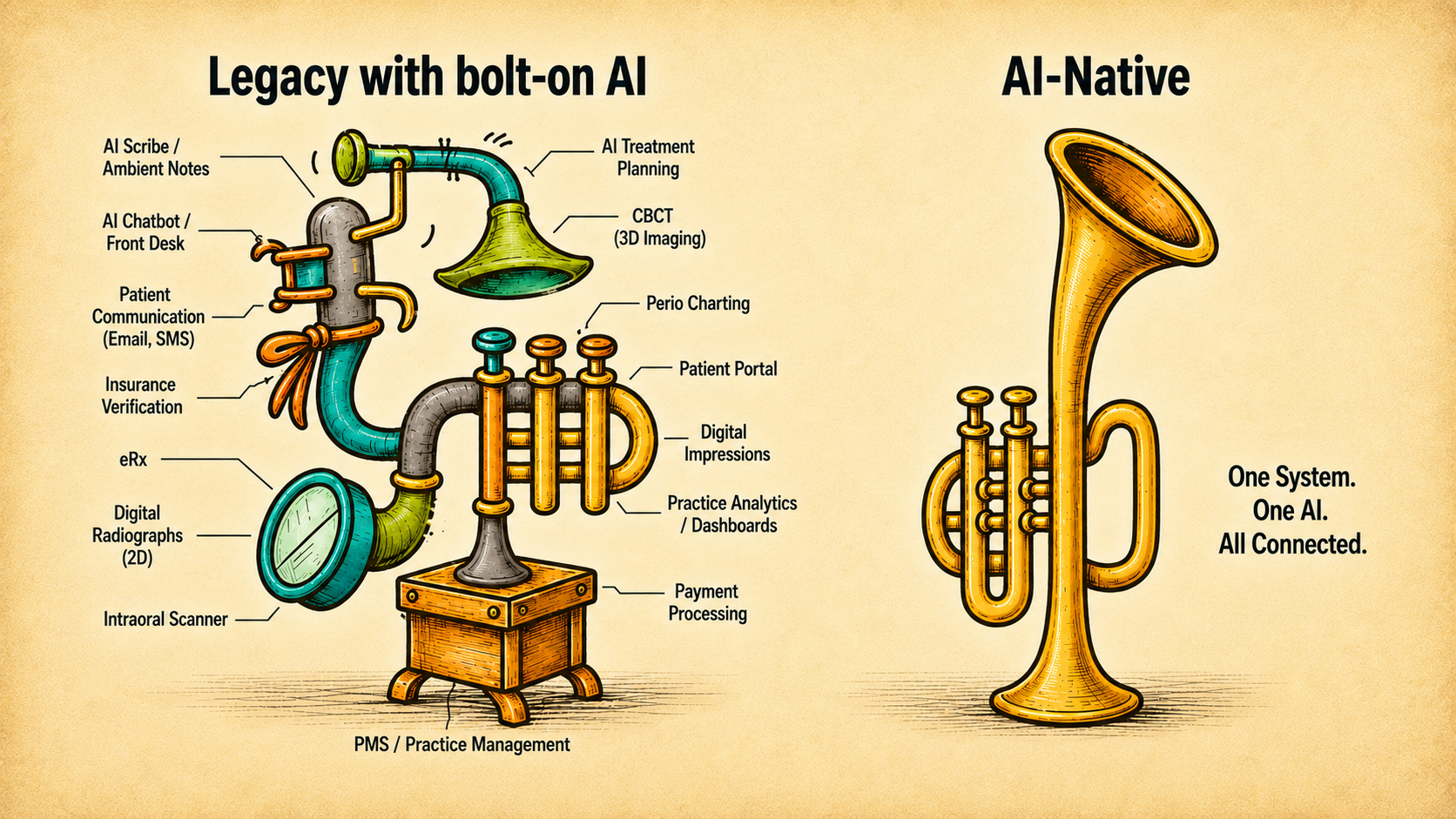
How the Dental Industry Became a Dr. Seuss Musical Instrument
Using Dr. John Flucke's memorable "Dr. Seuss instrument" analogy, this article examines how decades of incremental technology adoption have left dental practices juggling increasingly complex systems. It argues that the future lies not in adding more tools, but in reimagining practice management around integrated data, AI, and a patient-first workflow.
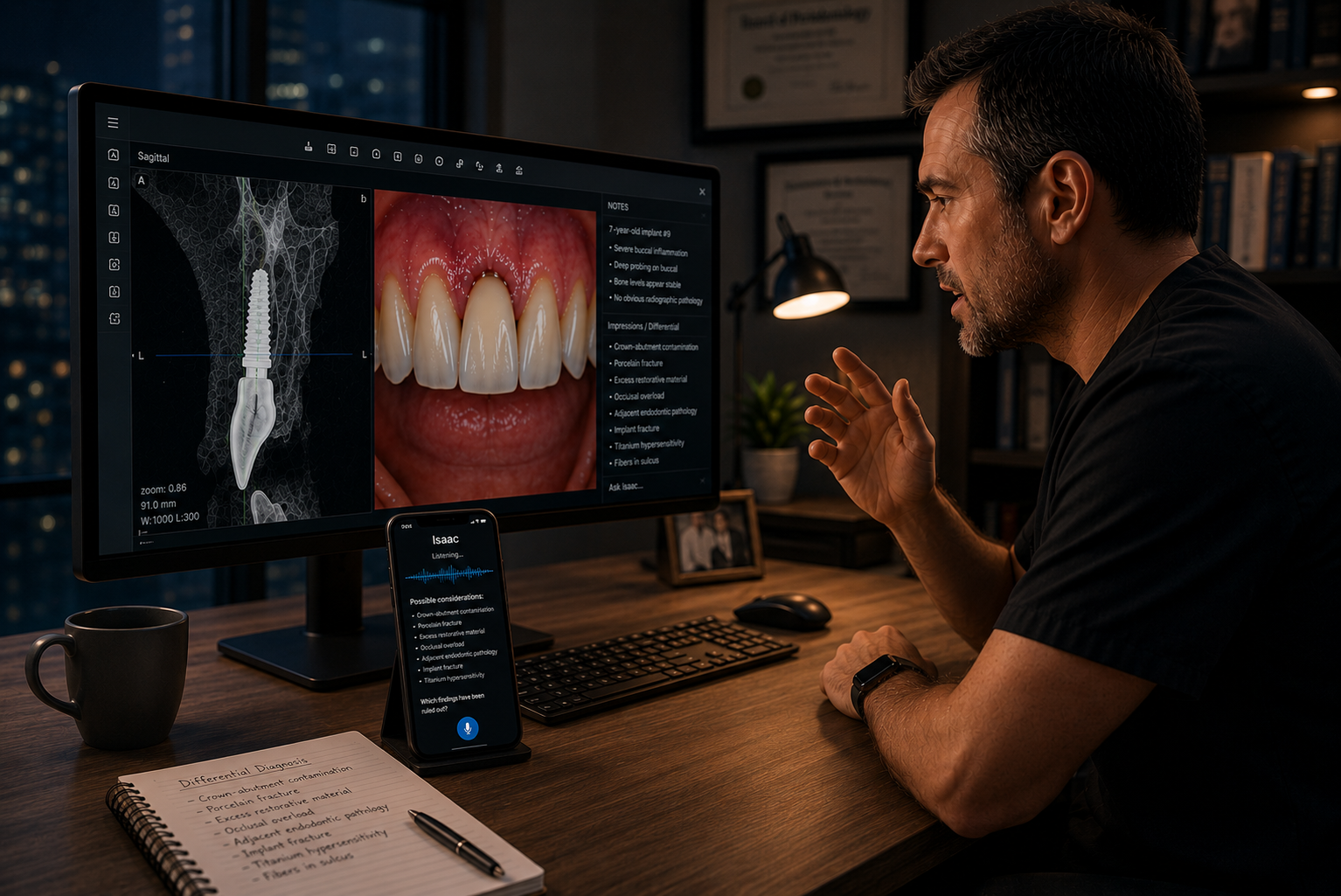
How AI in Dentistry Helped Me Solve a Complex Implant Case
A periodontist shares how Isaac Clinical Intelligence helped navigate a complex peri-implant inflammation case — from differential diagnosis to a conservative, successful resolution.
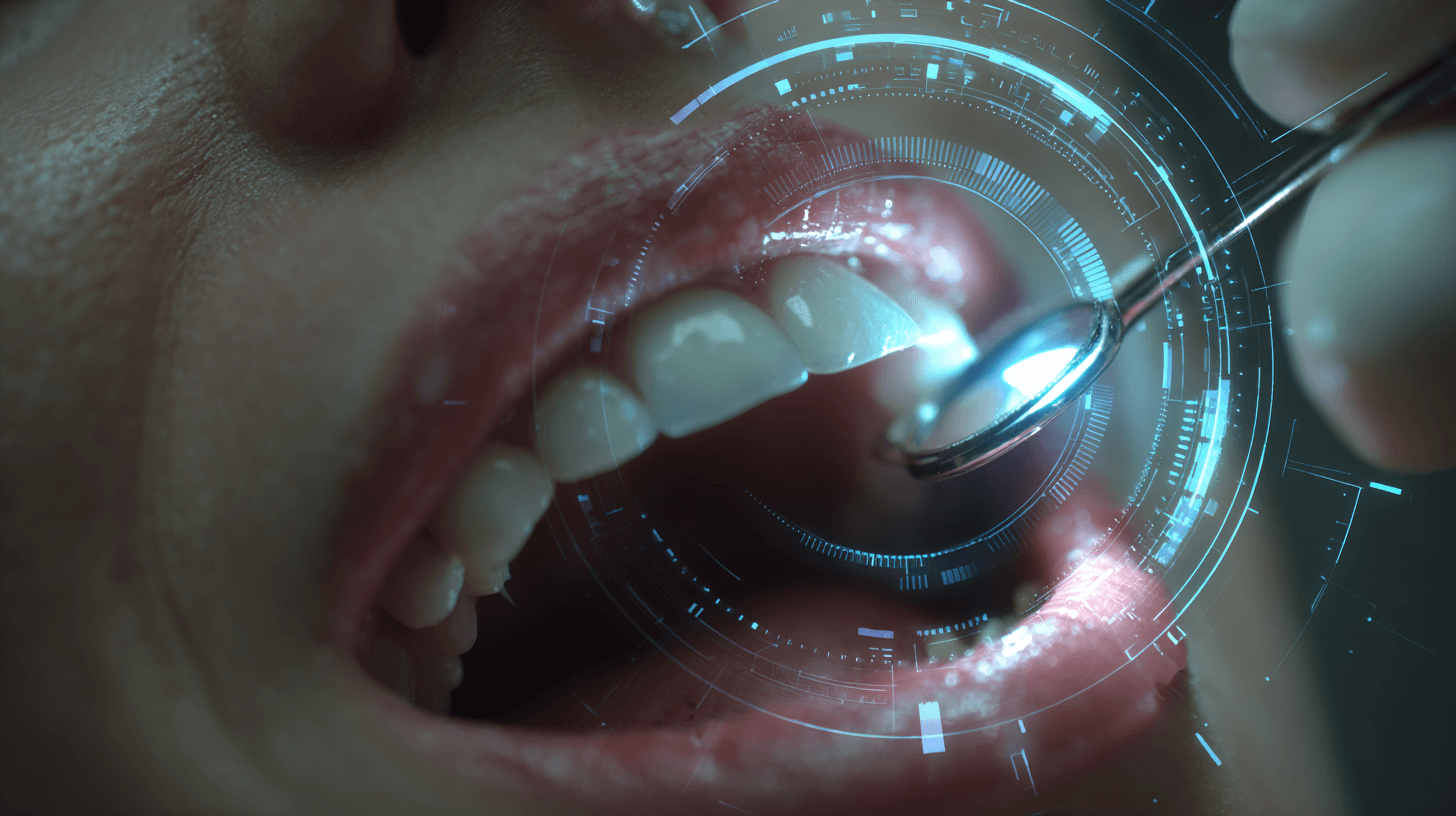
Lip Melanoma Misdiagnosed as Herpes: Diagnostic Blind Spots and the Role of AI in Early Detection
A lip melanoma misdiagnosed as herpes simplex for two years. This case explores anchoring bias in clinical diagnosis, the cost of diagnostic delay, and how AI-assisted image analysis could help clinicians catch what familiarity causes them to miss.

FDA Updates Dental AI Regulations: What Dentists Need to Know About Treatment Recommendations
Recent FDA guidance marks a significant shift in how AI-powered clinical decision-support tools can be used in dental practice. While the changes may seem subtle, they have meaningful implications for how AI assists with clinical reasoning without replacing professional judgment.

Dental Procedures Covered by Medical Insurance: Bypass the $1,500 Cap
Most dentists don't realize: medical insurance covers many dental procedures with no annual maximum. Unlike dental plans capped at $1,500, medical insurance pays for dental work when it's medically necessary.

When Dental Emergencies Strike: How AI Supports Clinical Decision-Making
Not all dental emergencies come with a textbook solution—but they all demand immediate answers. A real case of fractured implant screw retrieval in the aesthetic zone, guided by AI clinical reasoning.
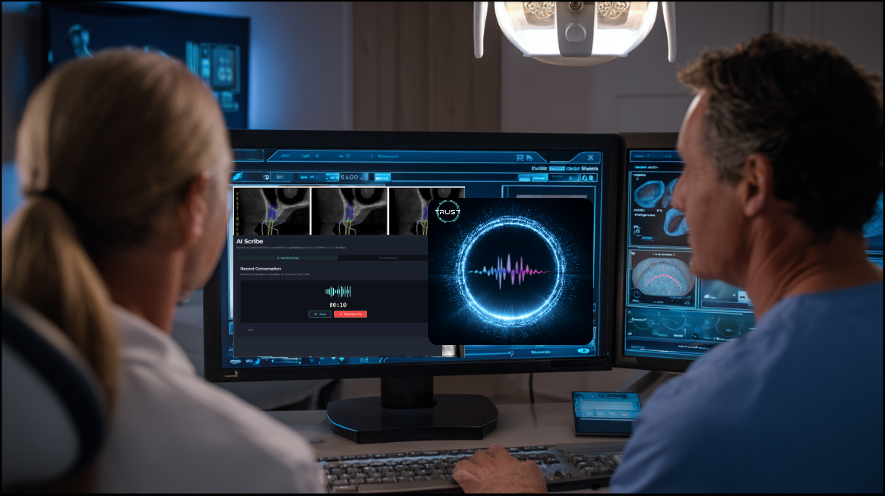
How AI Improves Patient Communication in Dentistry: Building Trust Through Transparent Clinical Reasoning
Dentistry has never been more advanced, yet there's something most dentists are missing. AI is going to change dentistry in the most important way—not by replacing clinicians, but by transforming how we teach.

I Reverse Engineered Dental Insurance AI. Denial Is the Design.
They're not trying to process your claims accurately. They're trying to deny them efficiently. I spent days reverse engineering the AI architecture that dental and health insurers use to adjudicate claims. What I found wasn't a system with flaws—it was a system where denial is the design.

AI-Assisted Implant Decision-Making for Young Dentists: A Mentorship Perspective
After 20 years placing implants, I've watched the decision tree grow from a handful of questions to dozens of critical variables. Here's how AI in dentistry is changing mentorship for the next generation.
Why Dental AI Needs Trust Scores: A Clinical Perspective on Accuracy and Accountability
Trust in dentistry has become increasingly questioned across social media and public forums. While AI promises to bring more transparency and objectivity to dental care, not all AI systems are created equal. The critical missing piece? A way to measure how confident the AI actually is in its recommendations.
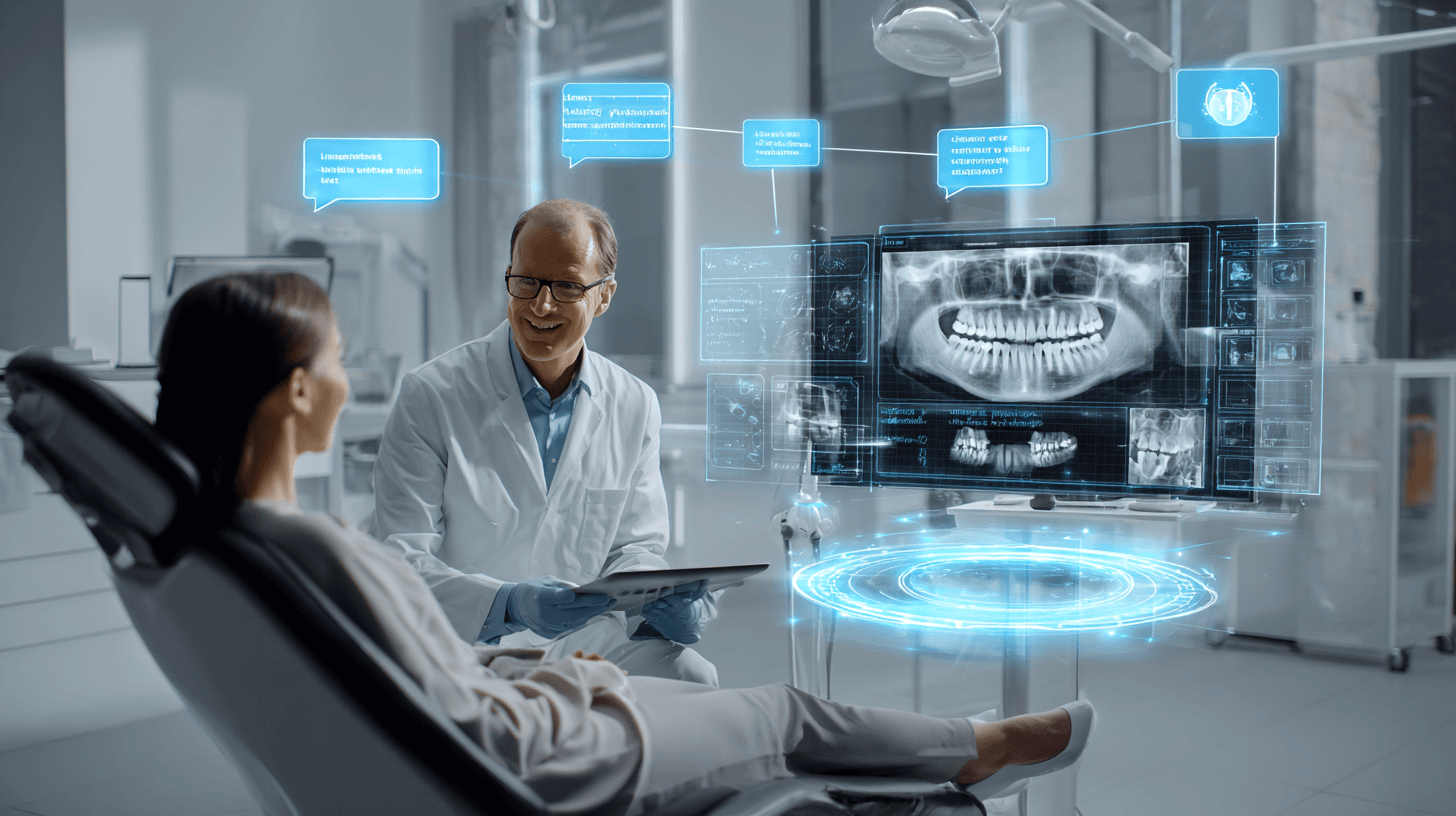
The Future of Dentistry: AI as a Clinical Partner, Not a Replacement
Studies show that 20–40% of early dental pathologies go undetected in routine exams—including approximately 25% of periapical lesions and up to 30% of early caries. Clinical intelligence isn't replacing dentists—it's empowering them to practice with more confidence and less stress.
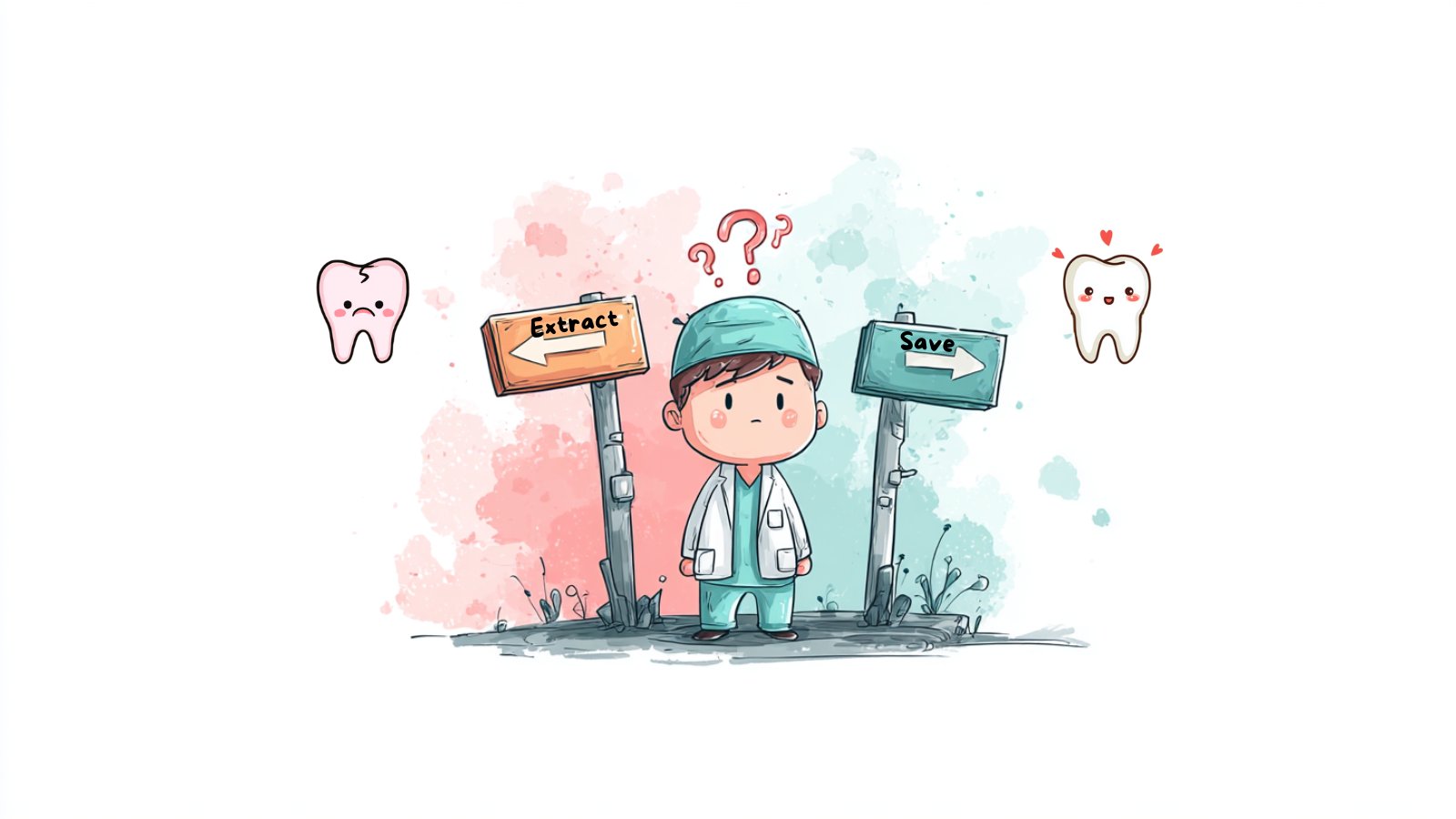
AI vs. Human Pattern Recognition in Clinical Dentistry: The 'Save or Extract' Decision
One of the most profound questions in clinical dentistry is also one of the oldest: When do we save a tooth, and when do we extract it? Discover how AI clinical decision support transforms this critical decision by combining human experience with evidence-based diagnosis.
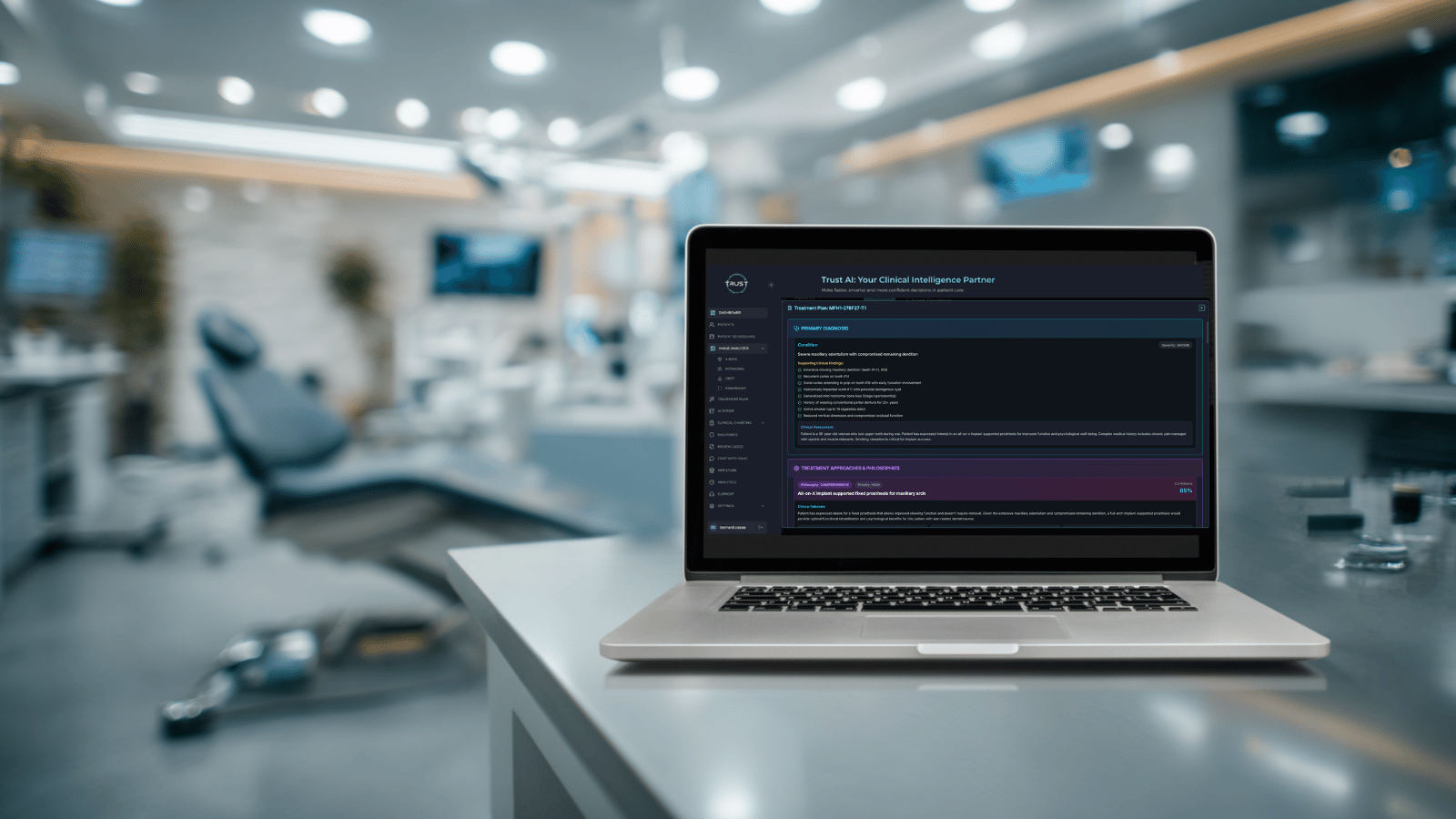
AI-Native Dentistry: The AAID Award That Changed Everything
Within two minutes, Isaac—the AI brain behind Trust AI's new practice management system—analyzed 20+ years of military trauma, chronic pain records, and full-mouth radiographs. Then it generated a comprehensive implant treatment plan that won first place at the American Academy of Implant Dentistry.

AI Tech Stack for Solo Dentists: How to Choose the Right Dental AI Tools
Discover how solo dental practitioners can build an integrated AI tech stack for their practice. Learn to avoid fragmentation, reduce overhead, and choose the right dental AI tools for charting, imaging, and patient communication.

AI in Dentistry: How to Prevent Malpractice Before It Happens
Dental malpractice prevention begins long before a patient files a complaint. Discover how combining human empathy with AI clinical decision support tools catches mistakes before they happen.

From 1-Star Reviews to 5-Star Growth: How AI Transforms Dental Practice Management
Every dentist has felt it: that jolt when a one-star review appears. It stings not because of vanity, but because dentistry is personal. Discover how AI transforms negative reviews into actionable insights for practice growth.

Building Patient Trust in Dentistry: How AI Closes the Communication Gap
After years in practice, I've learned that building patient trust isn't primarily about clinical outcomes—it's about how effectively we help patients understand what they cannot see. This communication gap is where patient trust in dentistry most often breaks down.